Last updated November 2026
Lymphatic drainage massage has become one of the most searched massage treatments in New Zealand, helped along by plenty of social media videos promising instant results. Underneath the hype is a genuine technique with a long history, used in hospitals as well as massage rooms.
★View the Best Massage Therapists in Dunedin→Here is what it actually involves, how it differs from a normal massage, and who it suits.
What the lymphatic system does
Your lymphatic system is a network of thin vessels and small nodes that runs alongside your blood vessels. It collects fluid that leaks out of the blood into your tissues and carries it back into circulation, filtering it through lymph nodes on the way. Those nodes cluster in places like the neck, armpits and groin.
Unlike blood, lymph has no heart to pump it. It moves when your muscles contract, when you breathe deeply, and when the skin and tissue around the vessels are gently moved. That last part is what lymphatic drainage massage works with.
What happens in a session
Lymphatic drainage, often called manual lymphatic drainage or MLD, feels very different from a remedial or sports massage.
- The pressure is light. The vessels sit just under the skin, so the strokes are slow, gentle and stretching rather than firm.
- The order matters. Therapists usually start near the main lymph nodes, around the neck and collarbones, to clear the way, then work out towards the limbs and move fluid back towards those nodes.
- It is rhythmic and slow. Many people find it very relaxing, and some drift off.
- It is often combined. In a massage clinic it may be one part of a session, alongside other gentle hands-on work.
If you are used to deep tissue work, the first session can feel like “nothing is happening”. That is normal. Pushing harder does not help lymph move faster.
How it differs from a regular massage
Pressure
- Lymphatic drainage
- Very light
- Remedial or sports massage
- Moderate to firm
Target
- Lymphatic drainage
- Fluid just under the skin
- Remedial or sports massage
- Muscles and connective tissue
Feel
- Lymphatic drainage
- Slow, rhythmic, soothing
- Remedial or sports massage
- Can be intense in tight areas
Common reasons
- Lymphatic drainage
- Swelling, puffiness, recovery, relaxation
- Remedial or sports massage
- Tight muscles, injury, pain, sport
Who it suits
People commonly book lymphatic drainage for:
- Fluid retention and puffiness, including in the legs after long days on your feet
- Swelling after cosmetic or orthopaedic surgery, once their surgeon is happy for them to have it
- A gentle treatment when firm massage is not comfortable
- Relaxation and sleep
- Lymphoedema, where it is usually one part of a treatment plan run by a specialist lymphoedema therapist alongside compression and exercise
It is worth being realistic. The evidence is strongest for medically supervised lymphoedema care. For general “detox” claims there is little good research, and your liver and kidneys do the clearing work, not a massage. Many people still find it helps them feel lighter and less swollen, and that is a fine reason to book.
How many sessions?
There is no fixed number. For general puffiness or relaxation, many people book a single session to see how they feel, then come back when they want to. After surgery, a run of sessions over a few weeks is common, but the timing should come from your surgeon, because early swelling is part of normal healing and some procedures need a set waiting period first.
For lymphoedema, treatment is ongoing and usually led by a trained lymphoedema therapist, with massage as one part of a plan that also includes skin care, compression garments and exercise. A massage clinic can support that work but should not replace it.
Whatever the reason, it helps to note how your swelling changes in the day or two after a session, so you and your therapist can judge whether it is worth repeating.
Who should check first
Speak to your GP or specialist before booking if you have:
- An active infection, fever or cellulitis
- A known or suspected blood clot, or a hot, painful, swollen calf
- Heart failure or kidney problems
- Current cancer treatment, or lymphoedema that is managed by a hospital team
- Very low blood pressure
Helping your lymph move between sessions
You do not need a special drink or a supplement. The things that help are ordinary ones:
- Walk. Dunedin’s hills are made for it, and calf muscles are one of the body’s best lymph pumps.
- Breathe slowly and deeply from the belly for a few minutes a day.
- Put your feet up if your ankles swell by the end of the day.
- Drink water as you usually would and move regularly if you sit for work or study.
Simple self-massage can help between appointments, but ask your therapist to show you the right direction and pressure rather than copying a video.
Where Massage Dunedin fits
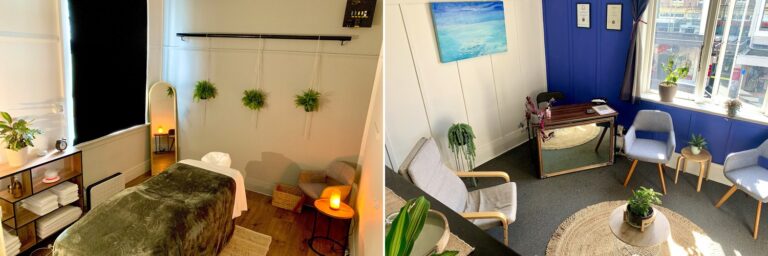
Massage Dunedin is an upstairs clinic on St Andrew Street in Dunedin Central. Therapist Gina-Marie offers lymphatic drainage alongside craniosacral therapy and body trauma release, and holds a Bachelor’s degree in therapeutic and sports massage. If you are not sure whether lymphatic work or a different style of massage suits what you are dealing with, it is worth asking when you book. Bookings are made online.