Last updated October 2026
Going gluten free in Dunedin is easier than it used to be, but it still takes some knowing. Some people avoid gluten because they have coeliac disease, where even a few crumbs cause damage, and others simply feel better eating less wheat. The two need very different levels of care, and most of the mistakes people make come from treating them as the same thing. This guide covers reading labels, the foods that catch people out, eating out around the city, finding bread worth buying and keeping a shared kitchen safe.
★View the Best Organic and Health Food Shops in Dunedin→Coeliac, intolerant or cutting back?
If you have coeliac disease, gluten free has to mean no gluten at all, including traces picked up from a shared toaster, fryer or chopping board. That transfer is called cross-contact, and it is the reason a dish made from gluten-free ingredients can still make a coeliac unwell. If you are cutting back for comfort rather than medical need, a gluten-free option on the menu is usually enough.
The difference changes how you ask questions. “Is this gluten free?” gets a different answer from “Is this safe for a coeliac?”, and in a busy café the second question is the one that prompts staff to check how the food was made. If you have symptoms but no diagnosis, talk to your GP before cutting gluten out, because testing for coeliac disease relies on you still eating it.
Reading labels in the supermarket
Food labelling in New Zealand follows the Australia New Zealand Food Standards Code, and the words on the front of the pack mean specific things.
- Gluten free
- No detectable gluten, and no oats or malted gluten-containing grains
- Crossed Grain logo
- The product is licensed under Coeliac New Zealand’s endorsement programme
- Low gluten
- Less than 20mg of gluten per 100g. Not suitable for coeliacs
- Contains: wheat, gluten
- A required allergen statement. Put it back
- No claim at all
- Read the ingredient list for wheat, rye, barley, oats or gluten
For products made in New Zealand or Australia, Coeliac New Zealand’s guide to reading food labels explains that an ingredient list without those grains means the product can be treated as gluten free. Imported food doesn’t carry the same assurance, so stick to a clear gluten free claim or the logo. And when a label leaves you unsure, the advice from people who live with coeliac disease is simple: if in doubt, leave it out.
Foods that catch people out
Most of the trouble comes from ingredients that don’t look anything like bread.
- Soy sauce, which is usually brewed with wheat. Tamari labelled gluten free is the common swap.
- Stock cubes, gravy mixes and sauces thickened with wheat flour.
- Oats. They are excluded from gluten free claims in New Zealand, so oat products can’t carry the label however carefully they are made.
- Beer, and anything made with barley malt, such as malted milk drinks.
- Crumbed or battered food, and chips cooked in the same oil as battered fish.
- Licorice and some lollies, which often contain wheat flour.
It works the other way too. Rice, potatoes, kūmara, polenta, quinoa, buckwheat (despite the name), meat, fish, eggs, dairy, fruit and vegetables are naturally free of gluten. A diet built around whole foods means far fewer labels to check than one built around packets.
Eating out around Dunedin
Plenty of Dunedin cafés offer gluten-free cabinet food and menu options, but a gluten-free option and a coeliac-safe kitchen are different things. Before you order, it is worth asking:
- Is it prepared separately, with clean boards and utensils?
- Does gluten-free bread go through its own toaster?
- Are chips cooked in a fryer that is never used for battered or crumbed food?
- Are cabinet items stored and served apart from regular baking?
Coeliac New Zealand runs a Dining Out Programme that trains staff and independently audits kitchens, and accredited venues show its logo on menus and windows. Venues outside the programme can still be careful, so the questions above are worth asking anywhere. A kitchen that holds no gluten at all takes the question away entirely.
Bread that is worth buying
Gluten-free bread behaves differently from wheat bread. Without gluten there is nothing to trap air and give the crumb its stretch, so bakers lean on rice, buckwheat, tapioca, psyllium and seeds instead. Results vary a lot, which is why so many people give up after one dry loaf.
A few habits help. Freshly baked gluten-free bread stales quickly, so slice it on the day you buy it and freeze what you won’t eat, then toast it straight from the freezer. Long-life sliced loaves keep better but are worth trying toasted before you judge them. And one myth needs clearing up: sourdough made with wheat or rye still contains gluten. Long fermentation changes the flavour and texture, but it does not make the loaf safe for a coeliac.
Cooking gluten free in a shared flat
Dunedin is a student city, and plenty of people managing coeliac disease do it in a flat where everyone else eats bread. Shared kitchens are where cross-contact happens most. Keep your own toaster or toaster bags, and your own butter and spreads so knives carrying crumbs don’t go back in. A labelled shelf at the top of the pantry stops anything dropping onto your food. Wash boards and colanders before you use them, and cook your meal first if pans are shared.
Cooking from scratch keeps a gluten-free diet affordable. Rice flour, buckwheat flour, chickpea flour and polenta cover most baking and thickening. Bulk bins carry a cross-contact risk from shared scoops, though, so coeliacs are safer buying sealed, labelled packets of flour.
Where Taste Nature fits
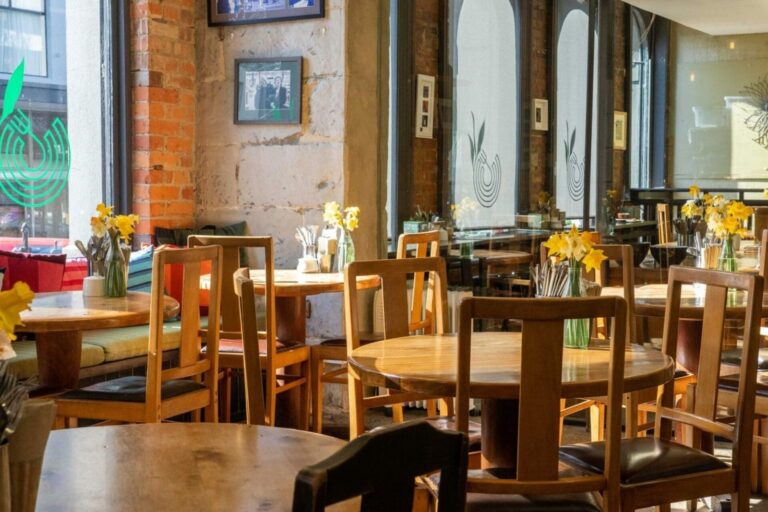
Taste Nature on High Street runs a 100% gluten-free wholefoods café, and its kitchen does not use or stock any gluten products, so the cross-contact questions above are already answered before you order. The café serves organic food made with produce from the business’s own organic gardens at Waitati, and meals can be ordered online and delivered around Dunedin by bike. In the organic supermarket you’ll find Pane Ora gluten-free bread on the bakery shelf. The on-site bakery also makes wheat and rye sourdough, so read the labels in the shop as you would anywhere else.